1. Safety and scope
The team explains what it can handle and which parts, like testing a site where drugs were made, need a different plan.
Geneva, NE · Fillmore County
Worried about what a few pipes and baggies might have left on the floors and furniture? Call (877) 812-4220 in Geneva. Cleanup crews remove the items and treat surfaces where residue may remain.
If anyone is in danger, call 911 first. For a suicide crisis, call or text 988.
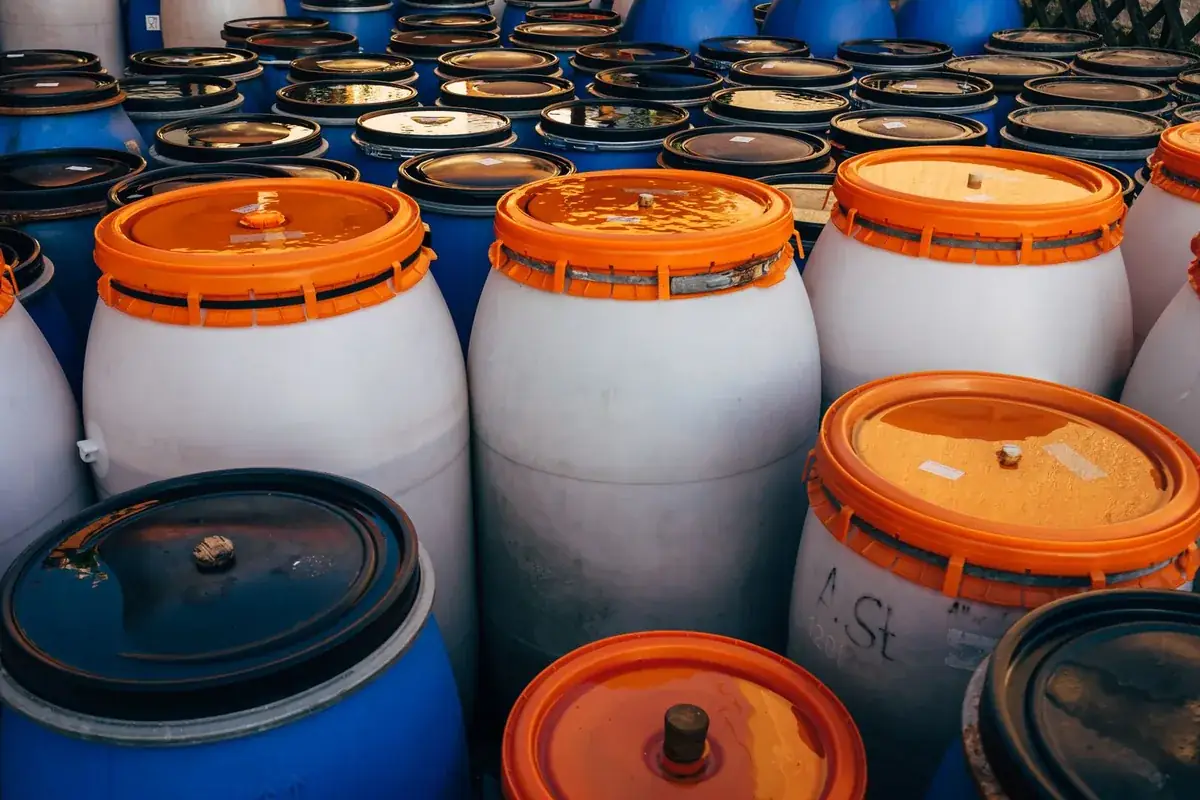
Drug paraphernalia cleanup is the safe removal of used syringes, pipes, bags, foil and other items left behind from drug use. Cleanup crews also clean and disinfect surfaces where residue may remain.
You can get drug paraphernalia cleanup in Geneva and throughout Fillmore County by calling Geneva Biohazard Cleanup Help. Cleanup technicians follow the OSHA Bloodborne Pathogens Standard, 29 CFR 1910.1030, when sharps are involved.
A vacancy rate near 14% in Fillmore County means more empty houses and lots, which are common places for discarded items to be found. Emergency care for people in Geneva is available at Fillmore County Hospital in Geneva. Cleanup can wait until everyone is safe.
Drug Paraphernalia Cleanup in Geneva usually includes:
The team explains what it can handle and which parts, like testing a site where drugs were made, need a different plan.
Sharps come first, then bags, foil, containers and stained linens. Each is sorted into the right container.
Floors, furniture and fixtures are cleaned. Porous materials that hold residue are cut out or removed.
The space is checked once more, and the crew answers questions before leaving.
The cost of drug paraphernalia cleanup in Geneva, NE depends on the amount of material, how it is packed and how it is hauled.
The number of rooms affected is a major factor. One bedroom needs less time than a whole house or a large rental unit.
| Type of job | Typical range |
|---|
Published ranges only (); every drug paraphernalia cleanup job in Geneva is priced after an on-site look. Price drivers include amount of material, whether residue is present, surfaces affected, waste disposal. Questions? Call (877) 812-4220.
Sometimes. Some homeowners and renters policies cover cleanup after a covered event, and some limit or exclude claims tied to illegal activity. Check your policy, call your insurance company before work starts, take photos if you can, and keep every receipt.
Do not touch, sweep or smell it, and do not try to clean it up first. Keep children and pets away. If anyone touched or swallowed it, call Poison Control, or 911 in an emergency. Then call a cleanup team to remove it safely.
It can. Powders and stains may stay on floors, furniture, bedding and in vents after the items are gone. That is why a team cleans and disinfects the surfaces and removes soft materials that cannot be cleaned. Ask what the plan covers.
In many cases the person who calls does not need to be at the property. Ask the team how access and keys can be arranged. If you are out of town, say so when you call. Many teams can arrive in an unmarked vehicle.
Loose syringes should never go in household trash, because they can stab sanitation workers. Other items may carry residue. A cleanup team seals and disposes of everything the safe way.
A careful cleanup removes the items and cleans the surfaces it covers. Testing is a separate step, and rules vary by place. Ask the team what it did and did not check, and ask the local health department what applies where you live.
Crews work without judgment and focus on making the space safe.
Call (877) 812-4220